


FREE Tick Identification
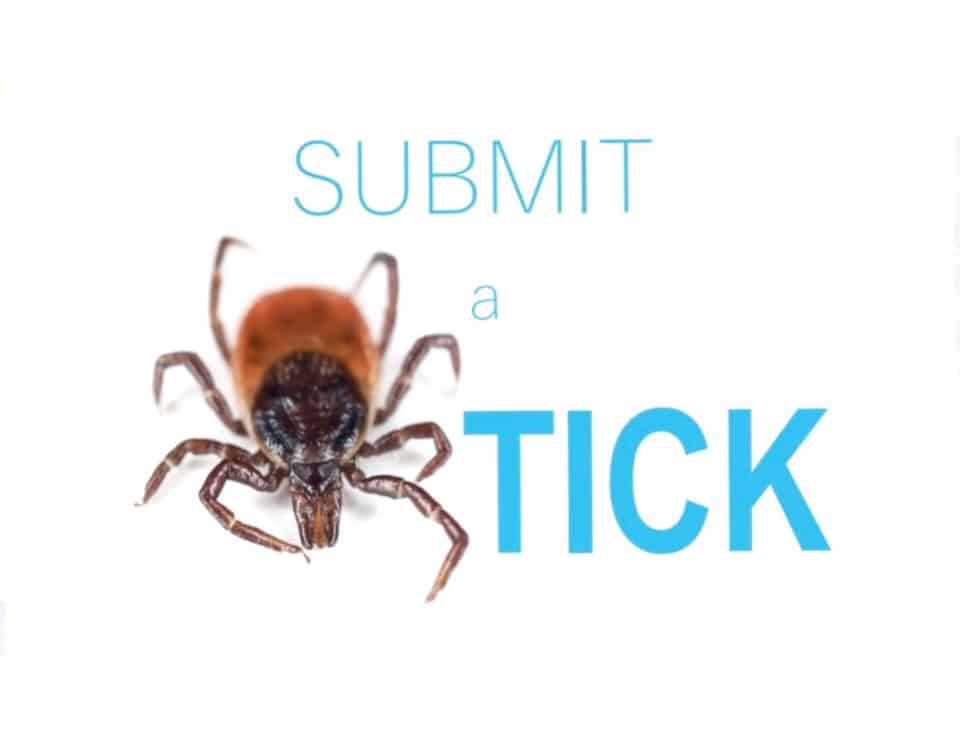 You can help us monitor tick population trends and tick-borne disease risks. TickSafety.com is keeping track of tick encounters across the US, and we need all of the Tick Detectives we can get! Thousands of citizen scientists like yourself are submitting REAL data that’s helping drive tick awareness tools. Once we’ve collected some data, we’ll be posting real-time data on our website! Simply fill out the form below, upload a (clear & close-up) photo of the tick – or bring it in to our home office we’ll ID it for you for free!

🇨🇦 🇺🇸 At This Time, We Are Only Able To ID Ticks From NORTH AMERICA. 🇺🇸 🇨🇦
We typically reply within 24 Hours.
NEED AN ID SOONER?
TXT a photo of the tick along with your LOCATION
to the Tick Safety Hotline: (703) 828-4343.

Tick Identification Hotline:

Identifying a tick after it has been found on a person, pet, or around the home is far more important than many people realize. The natural reaction is often to remove it, panic for a moment, and then throw it away. But that tiny tick may hold very important clues about potential health risks, how long it may have been attached, and what steps should be taken next.
Not all ticks are the same. Different tick species carry different diseases, and some are much more medically significant than others. For example, a Blacklegged tick, often called a “Deer” tick, is the primary tick associated with Lyme disease in many parts of the United States. Lone Star ticks, American Dog ticks, Gulf Coast ticks, and others may be linked to different concerns. Without identifying the tick, you lose a major piece of information that could help guide your next steps.
Tick identification can also help determine whether there is a realistic risk of disease transmission. Some ticks may look scary but are not known to transmit Lyme disease. Others may be in a life stage, such as a tiny nymph, where they are easy to miss but still capable of spreading illness. Knowing the species, life stage, and whether the tick appears flat or engorged can help provide a clearer picture of whether it had been attached long enough to be a concern.
Keeping the tick can also be useful if symptoms develop later. If someone develops a rash, fever, fatigue, joint pain, headache, or flu-like symptoms after a tick bite, having the tick available for identification may help a medical provider better understand the possible exposure. Throwing the tick away removes evidence that could have helped connect the dots.
Another important reason to save the tick is that some ticks can be tested. If the tick is a Blacklegged “Deer” tick, it may be eligible for Lyme disease testing at www.ticksafety.com/test. While tick testing does not diagnose a person, it can provide valuable information and help families make more informed decisions about what to watch for and whether to contact a healthcare provider. Peace of mind is everything, especially when it comes to your health or the health of your children and pets.
The best thing to do after removing a tick is to place it in a small sealed bag or container. If possible, include the date, location where the bite occurred, and where on the body the tick was found. Take clear photos of the tick from the top and bottom if you can. These details can make identification much easier.
Simply throwing a tick away may feel like the fastest way to be done with it, but saving and identifying it is a smarter choice. That small step can help reduce unnecessary worry, highlight real risks when they exist, and give you useful information when it matters most.